Press freedom in Central Europe: Rising in some places, falling in others
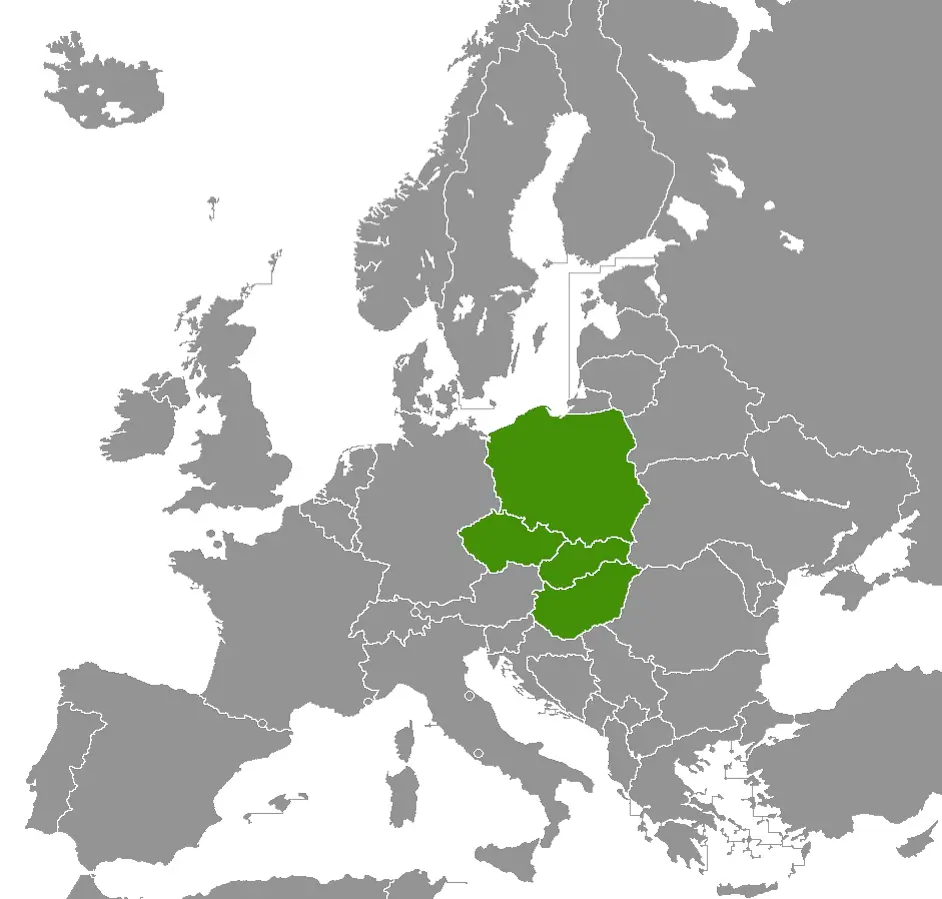
The media landscape in the V4 countries does not show a uniform picture, but several clear lessons can still be drawn from current trends. Restrictions on journalists’ work can also set off alarm bells for investors.
Hungary's already distorted media landscape now almost fully domestically owned
In Hungary, one of the largest government-aligned publishing houses has purchased Ringier’s newspaper portfolio, including the country’s highest-circulation national daily, *Blikk*—a “quality tabloid” that in recent years has shifted toward public-affairs coverage—along with several women’s magazines. With this acquisition, the last Western company has exited the Hungarian print press market, and apart from Ringier’s commercial TV channel, there are no other Western media owners left in Hungary’s entire media landscape. It is not yet clear what effect this will have on press freedom, but it is likely that the diversity of available news will shrink, as pro-government media are known for highly centralized news selection.
According to the 2025 Freedom House “Freedom in the World” report, Hungary is rated “Partly Free,” with an overall score of 65/100. The Reporters Without Borders (RSF) 2025 report is sharply critical: the economic situation of independent media is difficult, and the government has been restricting the free press year after year through new laws. Hungary ranks 68th globally in press freedom, the lowest among the V4 countries. This indicates that the state of media independence and pluralism remains relatively weak, which can undermine long-term stability in both the informational and business environment.
Czechia shows strong press freedom indicators
Czechia appears to be the opposite pole within the V4: according to the 2025 RSF World Press Freedom Index, the situation of the Czech press has improved significantly, placing the country 10th out of 180. Freedom House’s 2025 assessment likewise considers the Czech Republic a predictable, relatively stable democracy in terms of political rights and civil liberties, with a score of 95 out of a 100 — though business influence and illiberal rhetoric occasionally surface.
Among the V4 countries, Czechia currently shows the strongest press-freedom indicators, both in terms of journalistic independence and the day-to-day functioning of political and institutional freedoms.
Polish media remains free, but growing government influence raises concerns
According to Freedom House 2025, Poland is rated “Free,” with a score of 82/100. However, the report also highlights recent developments in the media sector — including changes in public broadcasting, restructuring around state institutions, and increased government influence — which raise questions about the long-term stability of media pluralism and press freedom. In the RSF global index, Poland’s ranking is less favorable than that of Czechia, but its relatively strong political-civil freedom environment (according to FH) reduces — though does not eliminate — press-freedom-related risks.
Media independence prevails in Slovakia, with political pressure increasing
According to the 2025 FH report, Slovakia remains formally a parliamentary democracy with civil liberties, with its media freedom scoring 89. Nonetheless, the report emphasizes that in recent years political pressure on the media and civil society has increased. The RSF assessment also reflects deteriorating conditions. The organization notes a significant decline in press freedom after the Fico government came to power.
The economic significance of media freedom
The significance of indices that quantify the state of the press goes far beyond media policy. A country with a free and independent journalistic environment is far more likely to provide real, timely, and diverse information — not only about political developments but also about markets, regulations, competitors, and the broader business environment. For investors, this means better-grounded decisions, reduced information asymmetry, and a clearer understanding of market and regulatory risks.
Where the media operates freely, journalists can uncover corruption, abuses of power, and excessive state intervention. Such environments pose less risk that investors will be confronted with hidden structural problems (for example, politically favored companies or informal business networks).
Global institutional investors and large multinational companies increasingly treat ESG criteria as an essential part of investment decisions. A country with a free and functioning press, stable democratic institutions, rule of law, and transparency sends a positive signal to potential investors. The reverse also holds true: media control and the absence of press freedom point to structural problems — creating reputational and operational risks, especially in open economies and global markets.
Journalistic freedom and media pluralism contribute to social legitimacy, market competition, and responsible corporate behavior. These factors form the foundation of long-term growth and stability — aligning closely with investors’ expectations.