Fuel Price Cap Introduced in Poland
Poland has also been hit by the fuel price shock, to which the government has responded with a price cap. Most countries in the region are attempting to ease the burden on consumers through direct state intervention in pricing.
The introduction of fuel price caps in Poland is not an isolated decision, but part of a broader regional and global crisis management approach. The measures introduced in the spring of 2026 are driven simultaneously by geopolitical shocks, inflationary pressures, and political constraints – factors that have prompted similar responses across Central and Eastern Europe.
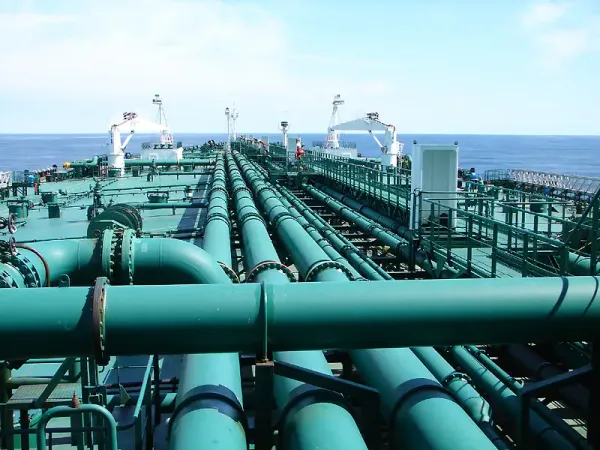
The immediate trigger was a global oil market shock. Escalating tensions in the Middle East – particularly involving Iran and the Strait of Hormuz – have significantly increased crude oil prices and transportation costs, which have quickly fed into European fuel prices. In response, the Polish government introduced a comprehensive package of measures, including a price cap.
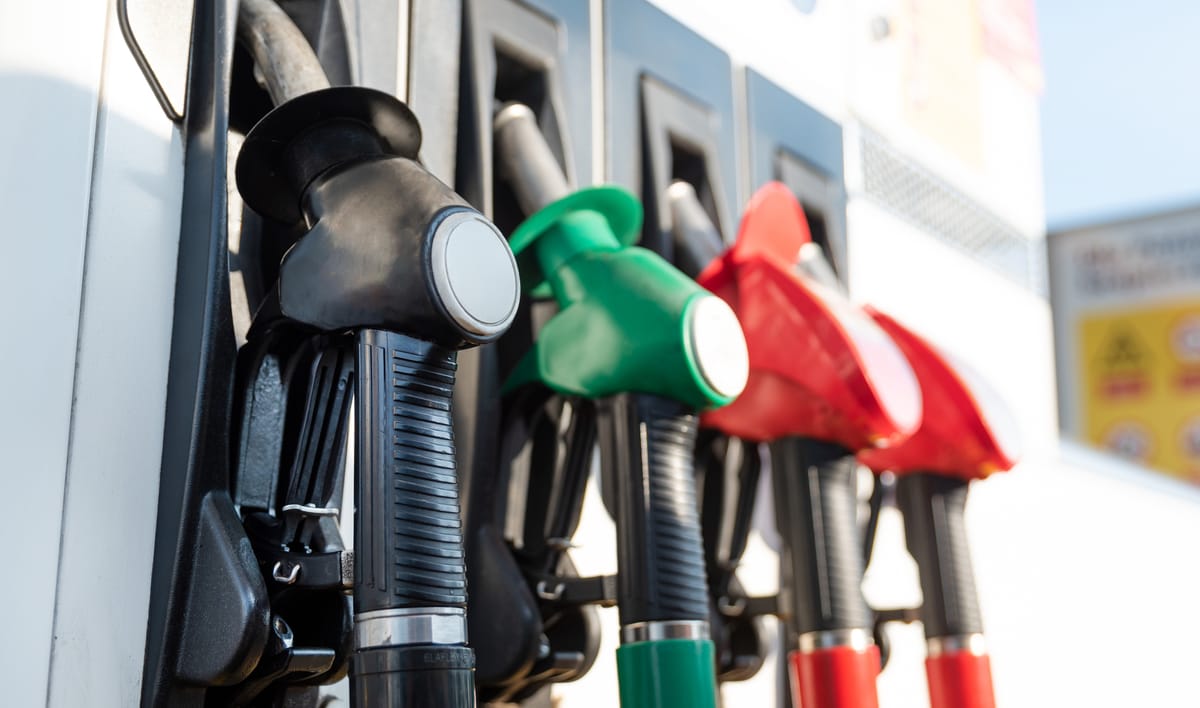
Poland’s response combines a classic “price cap + tax cuts” approach. The government set maximum retail fuel prices at petrol stations, calculated daily based on a formula that takes into account wholesale prices, taxes, and a fixed retail margin.
At the same time, VAT was significantly reduced (from 23% to 8%) along with excise duties, in order to ensure that these measures are reflected in consumer prices.
The objective was twofold: to curb inflation and to ensure that tax cuts benefit consumers rather than increase retailer margins. However, this approach also places a significant burden on the state budget, as tax reductions result in substantial monthly revenue losses.
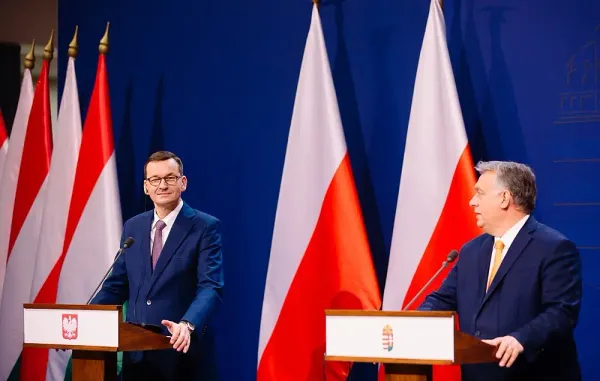
Other countries in the region face similar challenges but have opted for different tools. Hungary had already introduced a full price cap earlier, which temporarily contained prices but raised the risk of supply disruptions.
Slovakia has focused more on addressing “fuel tourism,” including proposals to charge higher prices for foreign drivers or limit purchases.
The Czech Republic and Romania have relied more on indirect measures. According to Reuters, the Czech government is attempting to contain prices by capping retailer margins and lowering excise taxes, while Romania is also implementing tax cuts and had previously introduced measures to limit margins and exports.
The region’s responses can be placed on a spectrum. At one end are direct price caps (Hungary and now Poland), which provide rapid political relief but risk distorting the market. At the other end are tax cuts and targeted support measures (the Czech Republic and, to some extent, Romania), which are more market-friendly but slower to take effect.
The common denominator, however, is clear: the V4 countries and Romania are all facing the same dilemma. How can governments protect consumers from global price shocks without undermining market functioning or overburdening public finances? The introduction of a price cap in Poland is one of the most recent – and most visible – manifestations of this challenge.