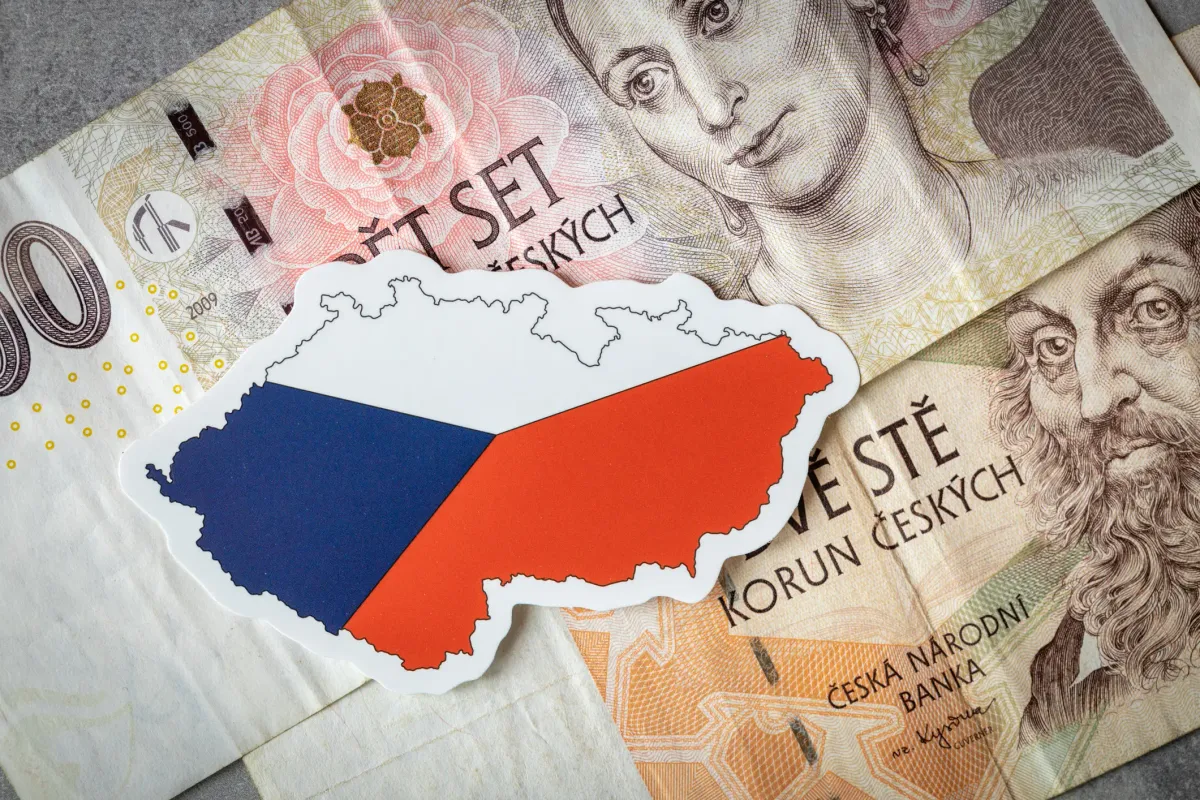
Czechia starts the year under provisional budget as new government reworks fiscal plans
The Czech Republic has entered the new year operating under a provisional budget after the incoming government rejected the previous administration’s draft state budget.
Czechia has begun the year under a provisional budget, echoing a situation seen at the start of the previous election cycle four years ago. The temporary arrangement came into force after the new government led by Prime Minister Andrej Babiš failed to secure parliamentary approval for a full-year state budget before the start of the fiscal year.
Following the October 2025 parliamentary elections, the incoming coalition led by ANO (Action of Dissatisfied Citizens) rejected the draft budget prepared by the outgoing government of former prime minister Petr Fiala. The rejected proposal projected a deficit of CZK 286 billion and had been intended as a transitional framework for the next administration.
ANO and its parliamentary partners — SPD (Freedom and Direct Democracy) and the Motorists’ Party — argued that the draft was fiscally and structurally flawed, claiming it underestimated mandatory expenditures and left insufficient room for policy priorities such as infrastructure and social spending.
Finance Minister Alena Schillerová said in December that the inherited budget was unsuitable and warned that it cannot be implemented ‘as is’ and that her government will propose a reworked budget in January. She also indicated that the final deficit figure may need to be higher than initially planned, a position that has already drawn criticism from opposition parties and fiscal conservatives.
Ministers from ANO, SPD, and the Motorists’ Party are scheduled to discuss a revised budget proposal on January 19, as the government works to submit a new draft to parliament in the coming weeks.
What a provisional budget means
Under Czech law, a provisional budget automatically comes into effect if parliament fails to approve a full state budget by the start of the fiscal year. During this period, government spending is capped at one-twelfth of the previous year’s approved budget per month, effectively keeping expenditures at baseline levels. While core obligations such as salaries and social benefits continue to be paid, the provisional regime limits new spending and can delay or restrict the drawing of European Union funds.
A provisional budget can remain in place for several months, depending on how quickly lawmakers agree on a final fiscal framework. The government has not yet indicated how long the provisional arrangement is expected to last, but officials say passing a revised budget remains a priority for the first quarter of the year.