Czech parliament shields Babiš from prosecution in long-running EU subsidy fraud case
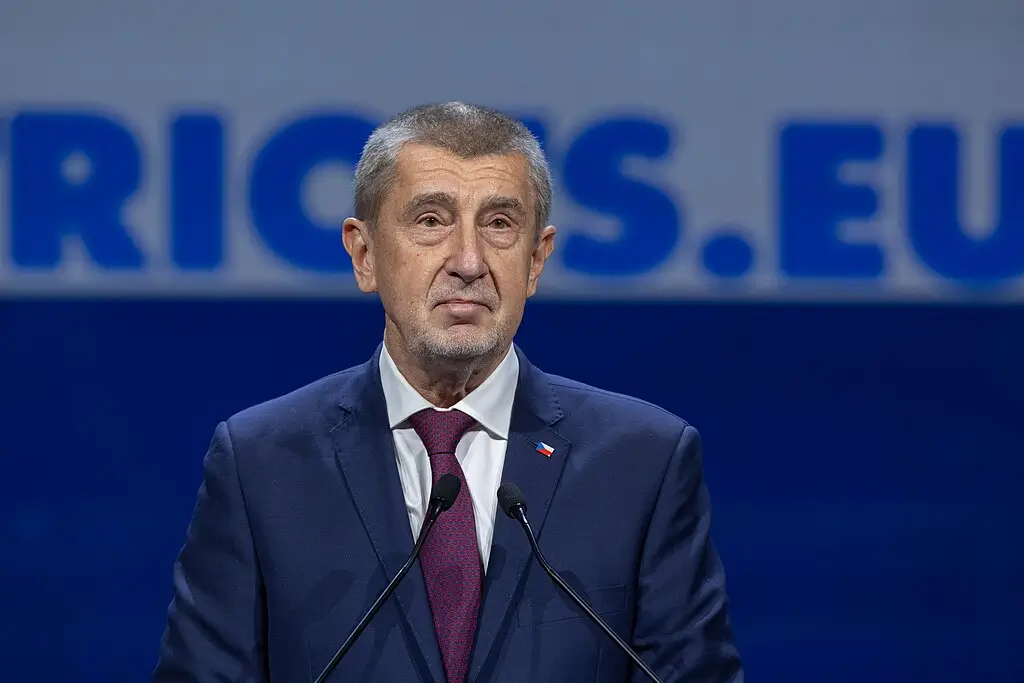
Czech lawmakers have voted to shield Prime Minister Andrej Babiš from criminal prosecution in a decade-old EU subsidy fraud case, blocking a court retrial until at least 2029 and reigniting a fierce debate about political accountability in the country.
The Czech Chamber of Deputies voted last Thursday to protect Prime Minister Andrej Babiš from criminal prosecution, rejecting a motion to lift his parliamentary immunity by 104 votes to 81, with one abstention and 14 lawmakers absent. The decision effectively freezes legal proceedings against the billionaire politician until at least 2029, when his current term in the lower house expires.
Opposition parties had backed the motion, arguing that no one - including the head of government - should be above the law. Supporters of Babiš, whose ANO movement commands a parliamentary majority in coalition with the anti-immigration Freedom and Direct Democracy (SPD) party and the Motorists party, successfully blocked the measure. The prime minister himself has consistently denied any wrongdoing, calling the case "clearly politically motivated."
In the same vote, lawmakers also refused to lift the immunity of Chamber Speaker Tomio Okamura, who faces separate accusations of inciting hatred over campaign posters.
The Stork's Nest Affair
At the heart of the charges against Babiš is a leisure and conference farm known as Čapí hnízdo - Stork's Nest - located roughly 50 kilometres south of Prague. The case centres on a €2 million subsidy the farm received from a European Union programme designed to support small and medium-sized enterprises (SMEs).
According to prosecutors, the subsidy was fraudulently obtained. The farm originally belonged to Agrofert, the vast agricultural and chemical conglomerate built by Babiš that made him one of the wealthiest men in the country. Because large corporations were ineligible for the SME programme, investigators allege that Babiš temporarily restructured the farm's ownership - shifting it to family members - so it could qualify for the funds. Once the subsidy was secured, the farm was reportedly reintegrated into the Agrofert group.
The case has dragged on for over a decade. Prague's Municipal Court acquitted Babiš twice, but an appeals court overturned both rulings, finding that the lower court had failed to properly assess the evidence and ordering it to issue a guilty verdict in a retrial. Last Thursday's immunity vote means that retrial cannot now proceed while Babiš remains in parliament.
Jana Nagyová, a former Agrofert associate who signed the original subsidy application and is now a member of the European Parliament, faces her own retrial. Unlike Babiš, her parliamentary immunity has already been lifted by the European Parliament, clearing the way for proceedings against her to continue.
The decision leaves one of the most high-profile corruption cases in Czech history in legal limbo - and ensures the Stork's Nest affair will remain a defining controversy of Babiš's third term as prime minister.