This tag highlights content related to economic systems, trends, and impacts — including topics such as macroeconomic analysis, financial markets, economic policy, and sustainable growth.
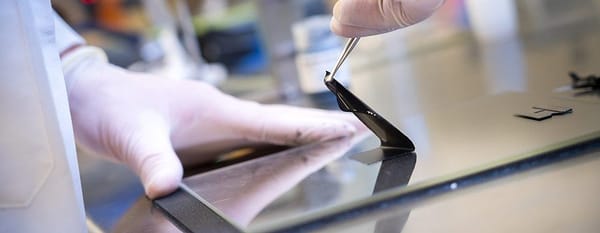
Onsemi inaugurated the expansion of its silicon carbide (SiC) semiconductor fabrication plant in Roznov, east Czechia, on Wednesday.
The USD 450mn investment will create 200 jobs and increase onsite SiC production capabilities 16-fold over the next two years.
The Arizona-based semiconductor supplier makes SiC power devices for electric vehicles and
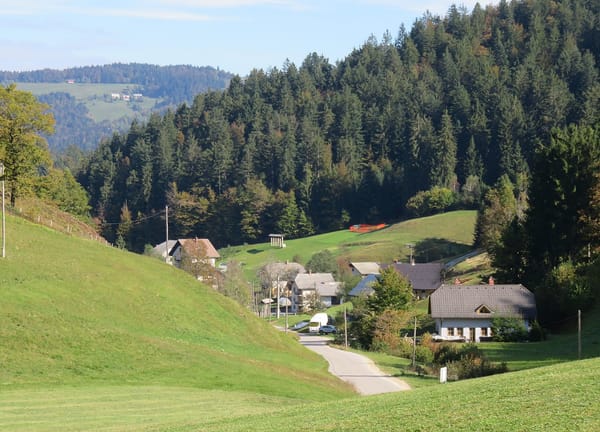
Slovenia will receive 3.26 billion euros in EU funding via a partnership agreement, the details of which it finalised with the European Commission (EC) on Monday, 19 September. The deal covers the EU’s current funding period of 2021-27.
European Commissioner for Cohesion and Reforms Elisa Ferreira said “Slovenia
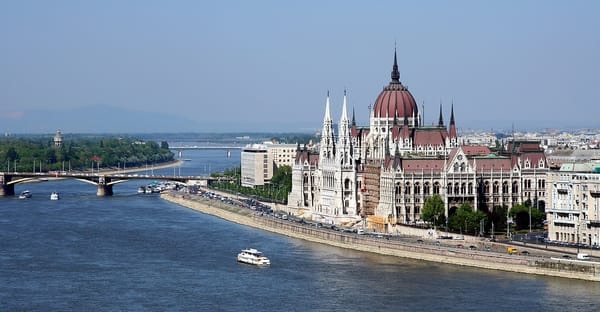
The European Commission (EC) recommended the rescinding of 7.5 billion euros worth of cohesion funds from Hungary on Sunday, unless it enacts reforms that address rule of law issues in the country.
After weeks of intensive dialogue between the EC and officials from Prime Minister Viktor Orban’s government,
As the September 21 deadline approaches, leaders in Brussels are split on whether to finally unlock billions of euros that have been withheld from Hungary due to concerns about the rule of law and corruption in the country.
In addition to around EUR 6bn that Hungary was earmarked to receive
As the EU accelerates its shift to electric vehicles by outlawing internal combustion engines by 2035, the auto industries in Central Europe are transiting to e-mobility. Battery plants can play a key role in the absorption of manpower as conventional car making is phased out, while pulling in new electronic
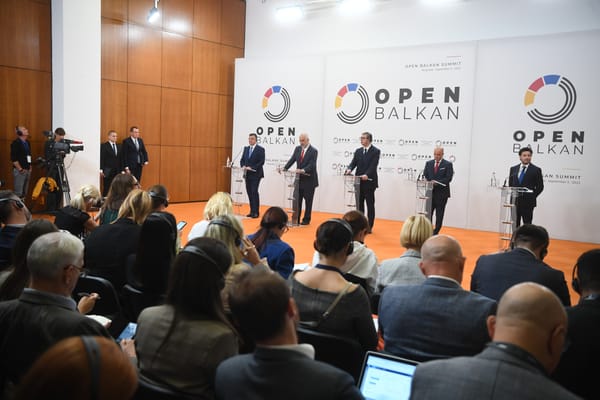
European Commissioner Oliver Varhelyi said the EU’s EUR 29bn investment package for the Western Balkans “has the potential to transform the region and boost its economy to a level of prosperity never seen before”, at the official opening of the Open Balkan Summit in Belgrade on Friday.
A functioning
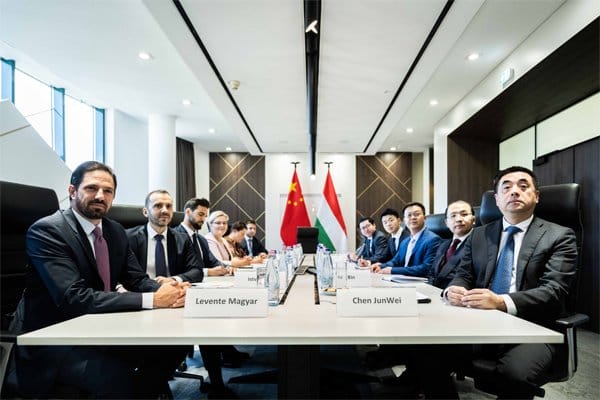
The world’s largest battery maker, China’s Contemporary Amperex Technology (CATL), has agreed to build a three trillion forint (EUR 7.6bn) production plant in Debrecen, east Hungary.
Hungarian Foreign Ministry state secretary Levente Magyar said the deal represents the largest ever greenfield investment in the history of the
Corruption is considered a very serious problem by 59% of business leaders in Romania, the highest percentage in the EU, according to a recent survey from Ipsos European Public Affairs.
Perceptions of graft vary greatly across the continent and business sectors, according to the pollster, which was commissioned to carry
The International Monetary Fund (IMF) has recommended that European governments let consumers bear the brunt of rocketing domestic energy bills, in part to encourage power saving.
In the wake of Russia’s invasion of Ukraine, energy consumer prices are rising 40% year-on-year in the euro zone, drastically reducing disposable incomes,
Hungary’s currency, the forint, has in recent weeks plumbed all-time lows against the euro. Although currencies are dropping across Central and Eastern Europe (CEE) due to the war in Ukraine and its resultant sanctions, the forint’s fall has been the region’s most precipitous. The fall of the
The EU annual inflation rate rose from 8.8% to 9.6% in June, the bloc’s official statistics agency Eurostat reports. The inflation rate in June last year was 2.2%.
Inflation was highest in Central and Eastern Europe (CEE), and in the three Baltic countries in particular, with
The EU formally approved on Tuesday Croatia joining the Eurozone on New Year’s Day 2023, and proclaimed the development as the end of an “amazing journey” for the Balkan country.
Croatian Finance Minister Zdravko Maric declared Tuesday an “historic day” for the nation of 3.9 million people, which
The Czech, Polish and Hungarian currencies all weakened against the major global currencies this week, as recession fears intensified globally, impacting emerging markets. As investor sentiment became more risk averse, investors have turned to the dollar, and the Polish zloty and the Czech crown both weakened against the greenback.
However
The European Commission (EC) will cut Croatia’s maximum share of the EU’s Recovery and Resilience Facility (RRF) stimulus programme by around 13% due to the country’s unexpectedly strong economic performance last year.
Croatia’s economy shrank 8.1% in 2020, the year that COVID:19 reached Europe,
Surging energy prices pushed prices up across the EU in June, but the three Baltic countries have been hardest hit, according to according to a flash estimate by the EU statistics office Eurostat.
Estonia had the highest inflation rate in the EU in June, at 22%, closely followed by Lithuania