Regional Lessons from the Romanian Drone Incidents: The Grey Zone of War Is Expanding
The two recent drone incidents in Romania have once again highlighted a growing reality: while the Russia – Ukraine war continues to be fought primarily on Ukrainian territory, its security implications are increasingly spilling over into neighboring NATO and EU member states.
In the first incident, a Russian-origin drone struck a residential building in the Romanian city of Galați, injuring two civilians. NATO later confirmed the Russian origin of the drone. Just days later, a second incident occurred when a Ukrainian naval drone lost control and exploded near the port of Constanța after, according to Ukrainian officials, Russian electronic warfare measures diverted it from its intended course. Although the explosion caused no casualties, it forced the evacuation of more than a thousand people around Romania's most important Black Sea port. According to Reuters, Romanian authorities secured the area as a precaution while NATO allies began discussing additional air defense support for the country.
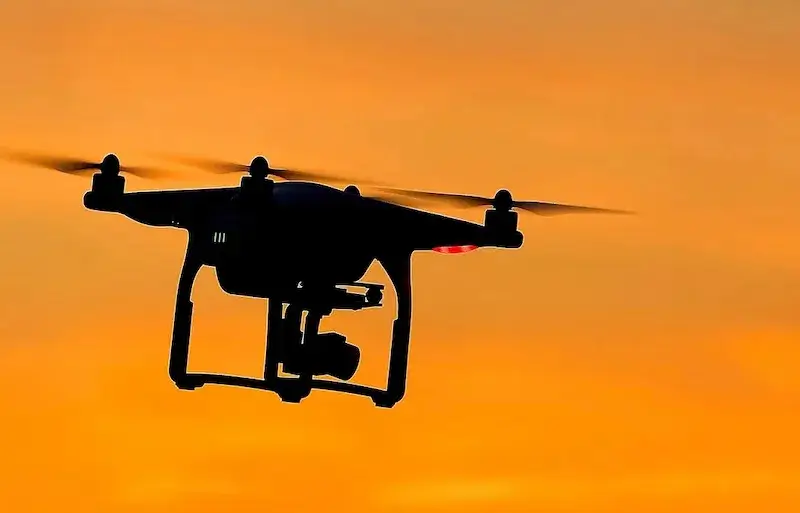
The most important lesson from these events is that in modern drone warfare, it no longer matters only who launches a drone. Increasingly, what happens to the platform during its mission may be equally important. The Constanța incident demonstrates how, in the age of electronic warfare, a drone originally deployed for military purposes can quickly become a regional security risk. GPS jamming, disrupted communications, or manipulated navigation systems can create secondary effects that materialize well beyond the intended battlefield, including on NATO territory.
A second key lesson is that on NATO's eastern flank, the drone threat has evolved from an exceptional occurrence into a persistent security challenge. Romania has repeatedly discovered drone debris on its territory in recent years, while Russian strikes against Ukrainian Danube ports regularly take place directly adjacent to the Romanian border. Both Romanian officials and NATO representatives have emphasized that such incidents should no longer be viewed as isolated events, but rather as part of a broader and longer-term regional security trend.
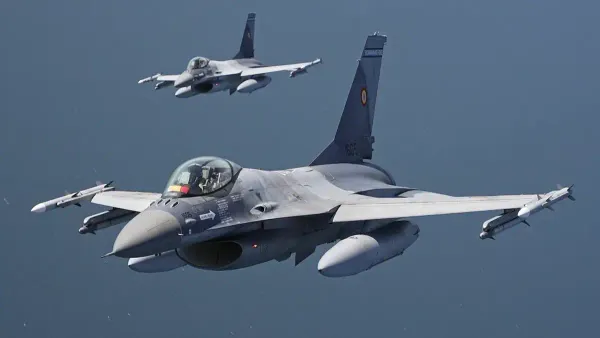
The third lesson concerns the transformation of air defense itself. Traditional air defense systems and fighter aircraft were not originally designed to counter large numbers of inexpensive, small drones. Intercepting an unmanned platform that may cost only tens of thousands of dollars often requires disproportionately expensive defensive measures. As a result, the Romanian incidents are reinforcing the need for enhanced radar coverage, electronic warfare capabilities, and dedicated counter-drone technologies. Reuters reports that several NATO allies are already considering additional support for Romania in these areas.
Perhaps most importantly, both incidents illustrate how the "grey zone" of warfare is expanding across Europe. Most of these events remain below the threshold that would trigger a collective military response, yet they create persistent uncertainty, test air defense systems, and increase political tensions throughout the region. The Romanian incidents are therefore not merely Romanian issues. They offer a glimpse into the security environment to which the Black Sea region, NATO's eastern flank, and Europe as a whole will increasingly need to adapt in the years ahead.