Czech agriculture: angry farmers, rising oligarchs
The next stop in our agricultural overview is Czechia. To understand Czech agricultural policy, one must simultaneously examine economic factors, EU policies, and public-life conflicts centered around Andrej Babiš. The sector is not particularly robust, yet it is highly politicized.
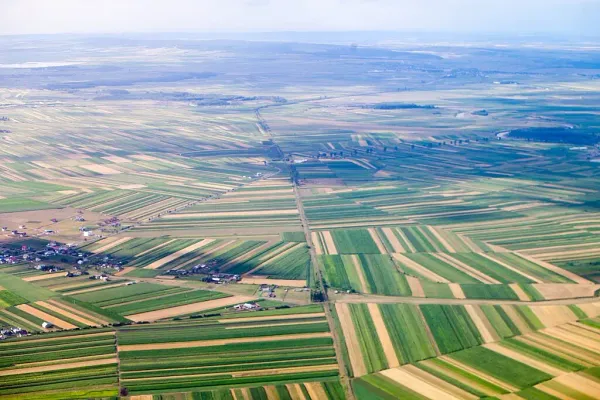
Czech agriculture represents a relatively small share of the national economy (around 2% of GDP), yet it plays a decisive role in land use, as roughly half of the country’s territory is under agricultural cultivation. The production structure is strongly crop-oriented, especially focused on cereals (wheat, barley) and industrial crops (such as rapeseed), while livestock production carries more moderate weight. In recent years, the value of output has fluctuated—there was a slight decline in 2024 mainly due to weaker crop performance, followed by renewed growth in 2025—while profitability depends heavily on EU subsidies and on energy and input costs. In some years net results improved significantly, but over the longer term the sector shows lower returns compared to other parts of the economy and remains vulnerable to extreme weather events, EU environmental regulations, and international price volatility.
As a member of the European Union, Czechia is highly dependent on the EU’s Common Agricultural Policy (CAP), which finances farm support from shared EU resources. For years, Czech farmers have debated how these subsidies should be distributed, particularly between large agribusinesses and small and medium-sized farms. While some narratives suggest that Czech agricultural policy aimed to strengthen small family farms and limit support for large players, this has been difficult in practice, as the country’s average farm size is significantly larger than the EU average and large farms may benefit from economies of scale. In this context, questions have arisen about how conglomerates linked to Babiš have benefited from subsidies.
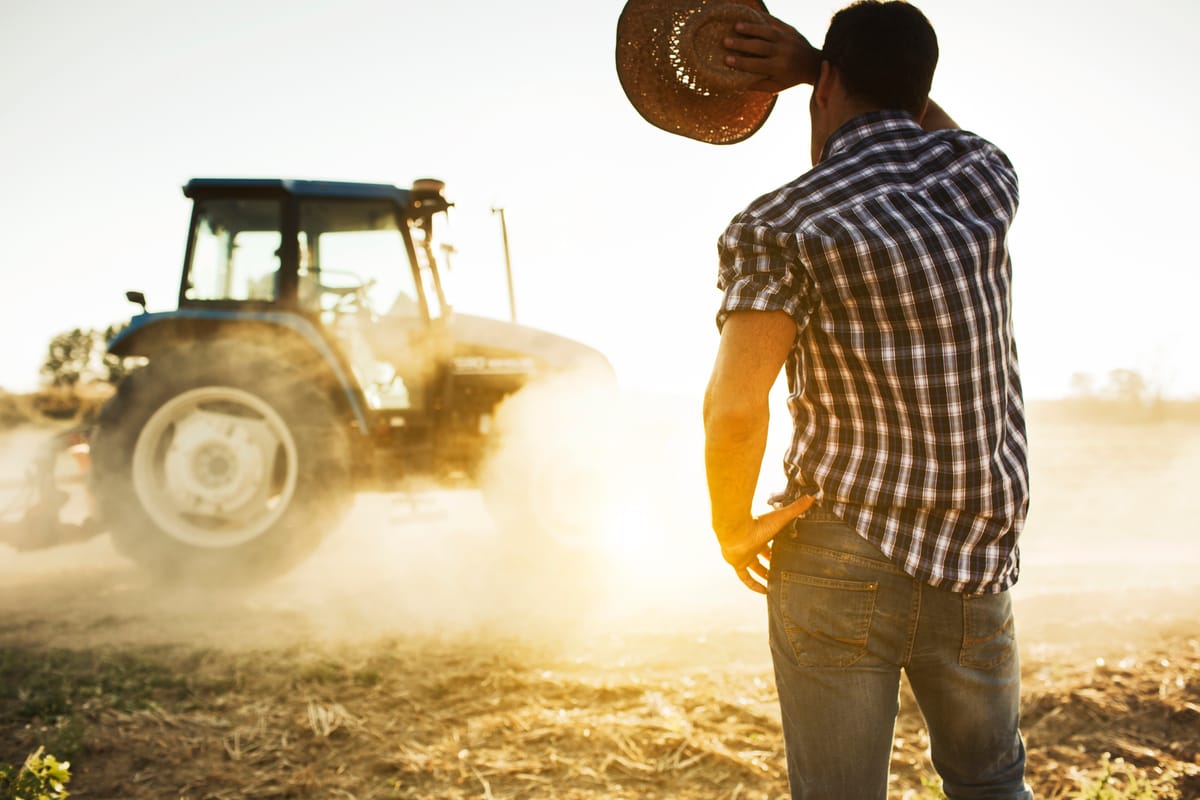
Debates over Czech agricultural policy have been further complicated by protests against EU agricultural rules. Between 2023 and 2025, several farmer demonstrations took place in Czechia, where producers complained about competition from cheaper imports, excessive bureaucracy, and CAP environmental requirements such as reducing pesticide use or the Mercosur free trade agreement.
The “spice” of Czech agricultural politics lies in the Babiš affair. Babiš was not only a politician but also the founder and majority owner of Agrofert, a holding active in agriculture, food processing, and chemicals. This dual role created a major conflict of interest under both EU and domestic rules, as companies linked to him had previously received substantial EU agricultural subsidies while he held public office. The European Parliament condemned him in a resolution over conflicts of interest, arguing that despite placing his assets into trust funds in 2017, he continued to exert influence over the company, in breach of EU conflict-of-interest rules.
The scandal has fueled ongoing legal and political disputes in recent years: Czech courts have repeatedly reviewed cases involving Babiš, and as late as mid-2025 a fraud case related to EU subsidies concerning a farm known as Stork’s Nest was sent back for retrial.
At the end of 2025, Babiš decided to relinquish direct control over Agrofert and place his ownership stake into a trust structure, enabling him to reassume the post of prime minister. With this move, he sought to resolve the conflict that had hindered government formation.
The affair has generated not only domestic political tensions in Czechia but also EU-level debates about how to regulate the relationship between large agribusiness corporations and political actors, and whether the distribution of agricultural subsidies is fair to small farms. As a result, Czech agricultural policy today is no longer merely an economic matter, but also a question of rule of law, EU cooperation, and political integrity.