Slovakia’s new criminal code sparks constitutional challenge and ethnic tensions
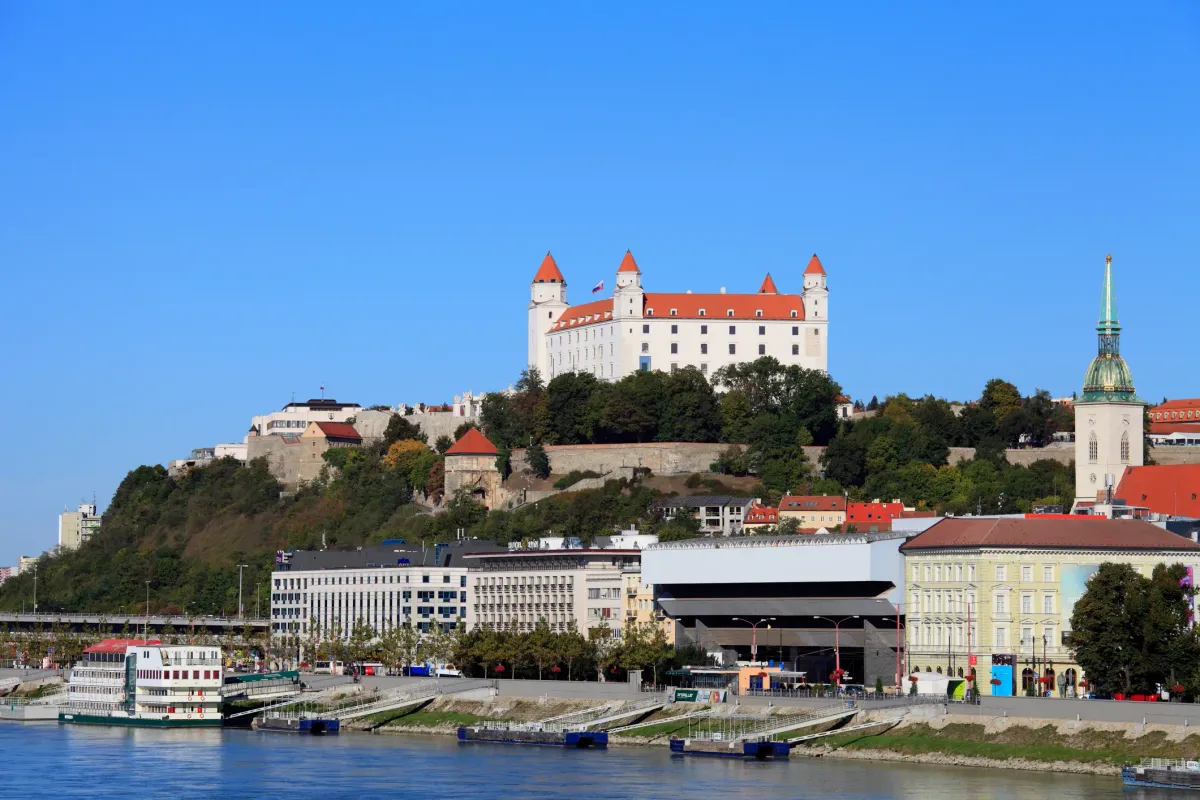
Slovakia’s newly enacted criminal code has triggered a constitutional challenge by the country’s prosecutor general and ignited controversy at home and abroad, particularly over provisions affecting debate on the post-World War II Beneš Decrees and ongoing corruption investigations.
Just days after Slovakia’s new criminal code entered into force, Prosecutor General Maroš Žilinka announced that he would ask the Constitutional Court to review key elements of the legislation. The law, approved by parliament in December under a shortened legislative procedure, has drawn heavy criticism from legal experts, prosecutors, opposition parties, and minority representatives.
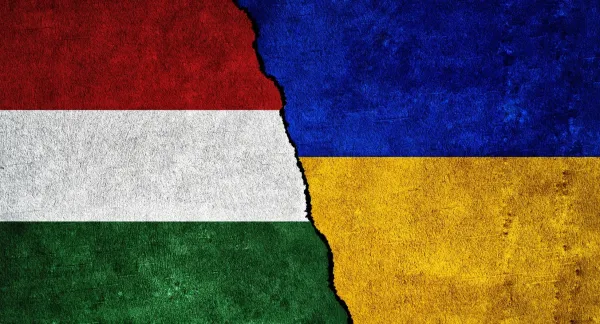
The amendments introduce several controversial provisions, including prison sentences for questioning the post-war settlement, a move that in practice makes open debate about the Beneš Decrees legally risky. The decrees, issued after World War II, laid the legal basis for the confiscation of property from ethnic Germans and Hungarians and remain a sensitive issue in Slovak-Hungarian relations, as they were based on the principle of collective guilt.
The legal implications of the new code
The new code also reintroduces the “three strikes and you’re out” principle for petty theft, tightens penalties for repeat offenders, and establishes new sanctions for foreign interference in elections. However, the most intense backlash within Slovakia’s legal community has focused on changes affecting the so-called “repentant witnesses” — cooperating suspects whose testimony has played a central role in high-profile corruption and organised-crime cases in recent years.
Critics warn that weakening the legal status of such witnesses could undermine or halt ongoing corruption investigations, including cases linked to former political and business elites. Žilinka has repeatedly argued that the amendments threaten the effectiveness of law enforcement and objected to the accelerated legislative process used to pass the law.
The opposition has accused the government of favouring criminal networks through the changes, a claim strongly rejected by the ruling party Smer-SD. Justice Minister Boris Susko defended the reform, describing it as “logical and sensible” and necessary to restore legal balance.
Hungarian reaction and Beneš Decrees controversy
The criminal code amendment has also triggered strong reactions among Hungarian communities in southern Slovakia. László Gubík, president of the Hungarian Alliance party, said his organisation seeks only to halt ongoing land confiscations linked to the Beneš Decrees and to hold accountable officials involved in contested land-fund decisions, stressing that it has no intention of reclaiming Slovak land—an accusation he and his party have dismissed as inflammatory.
In a symbolic act of protest, a Hungarian activist and politician from southern Slovakia voluntarily reported himself to the Komárno district police for publicly questioning the decrees, drawing attention to concerns that the new legislation could criminalise historical debate. A solidarity demonstration addressing the same issue was also held in Budapest, underscoring the cross-border sensitivity of the matter.
Meanwhile, the Hungarian government has responded cautiously to an issue that directly affects the Hungarian minority while involving a Slovak government that Budapest considers an ally on several foreign-policy issues. Prime Minister Viktor Orbán said at a recent international press conference that it remains unclear how the law would be applied in practice, with his spokesperson later adding that Hungary would not take any steps unless and until the legislation is actually enforced.
The controversy comes amid broader concerns about the rule of law, prosecutorial independence, and minority rights in Slovakia under the current government. The Constitutional Court’s response to Žilinka’s motion is expected to play a decisive role in determining whether the amendments remain in force or are partially suspended.