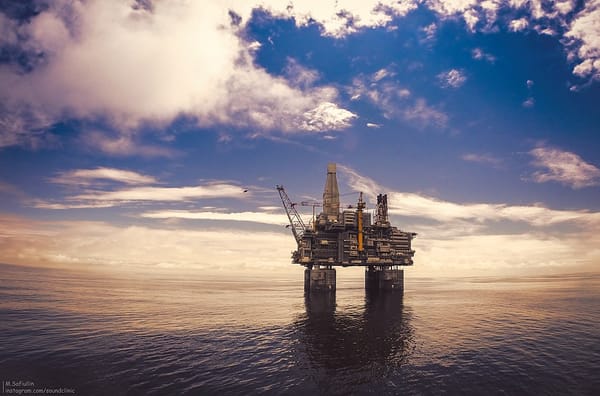
Sharply falling energy prices are good news for the population and almost all market segments and the population alike, but large energy companies can be less happy, Hungarian business website Portfolio reported.
The explains the price falls as due to an “exceptionally mild” winter and European’s successful decoupling from
Poland’s state-controlled oil company, PKN Orlen, is facing significant losses due to the EU banning Russian crude oil. The company is struggling to find alternative supplies for its Czech refinery and is losing millions of dollars every day, Polish daily Gazeta Wyborcza reports.
PKN Orlen CEO Daniel Obajtek told
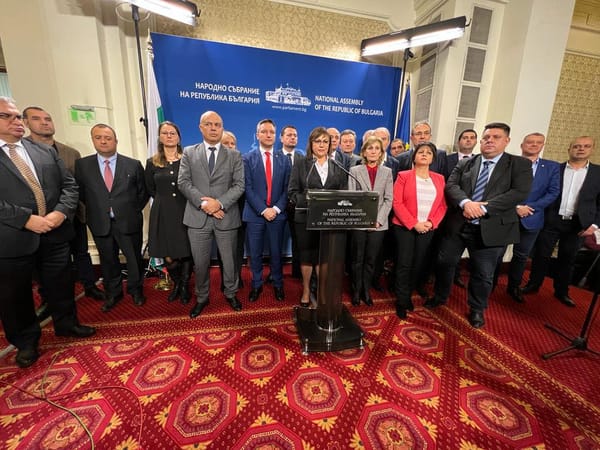
Bulgaria’s conservatives and liberals were practically neck and neck with votes still being counted after the country’s fifth election in two years on Sunday, 2 April.
Early projections put former premier Boyko Borisov’s conservative GERB party at 24-26%, slightly ahead of the liberal We Continue The Change
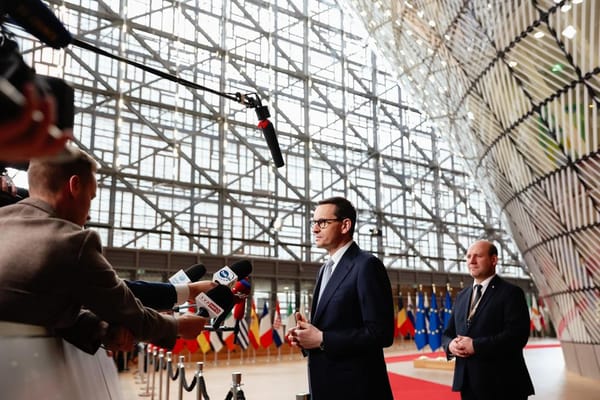
Polish Prime Minister Mateusz Morawiecki called on Germany to up its support for Ukraine as Europe continues to search for ways to arm Kyiv following the EU leaders’ summit in Brussels on Friday 24 March.
Morawiecki urged Germany, the EU’s largest economy, to step up and lead by revising
Hungary could realistically replace Russian gas imports, according to local analysts, who say its dependence is reliant on the will of Hungarian politicians and economic players.
Gas supply already shifting away from Russia
Hungary’s procurement of sources has broadened and the partial replacement of Russian gas has begun, local
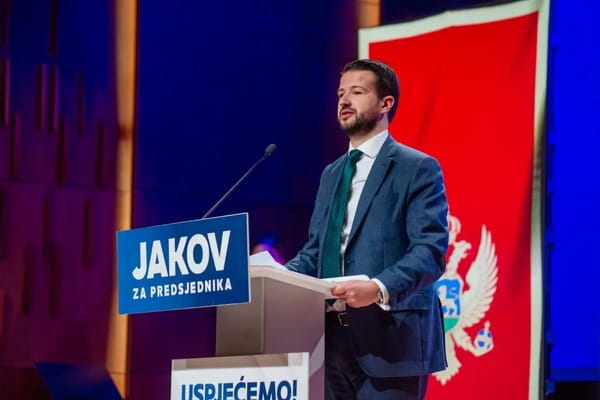
Montenegrin President Milo Djukanovic took around one-third of the votes in Sunday’s presidential election ballot, well below the majority needed to avoid a second-round vote, according to the Centre for Monitoring and Research (CeMI) data based on 95.5% of processed votes.
Djukanovic, 61, is one of Europe’s
The EU on Saturday released its 10th package of sanctions against Russia targeting 87 individuals and 34 entities to mark the first anniversary of Russia’s full-scale invasion of Ukraine on 24 February 2022.
The package aims to sever ties between the EU and Russia by more than EUR 10bn
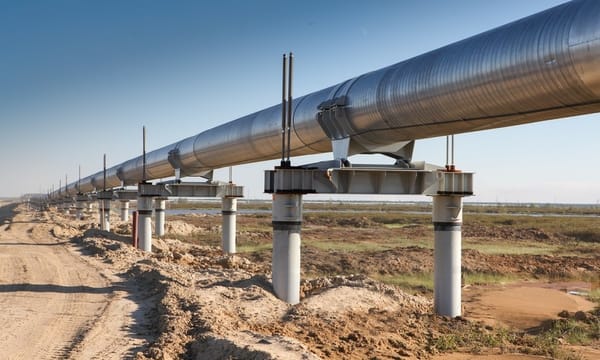
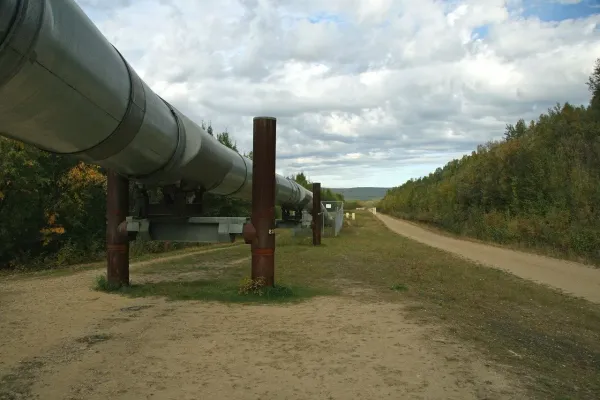
Russia has ceased the supply of oil to Poland through the Druzhba pipeline, CEO of Polish oil refiner PKN Orlen Daniel Obajtek announced on Saturday, 25 February.
The sudden suspension of oil supplies through the pipeline, which is exempt from EU anti-Russian sanctions, has the potential to impact Poland’s
Moldova shut down its airspace for three hours on Tuesday, 14 February, one day after the country’s head of state accused Russia of plotting to overthrow its government. An unidentified balloon is thought to have caused the disruption.
The move to close the airspace was seen as a precautionary
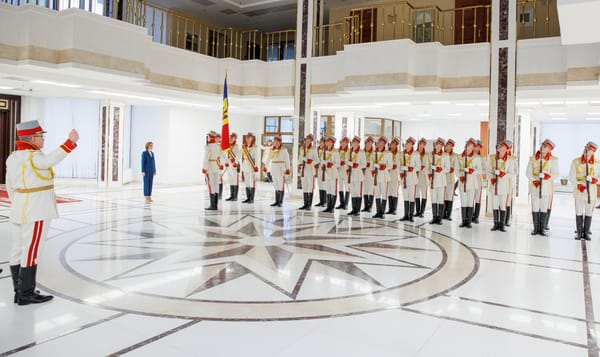
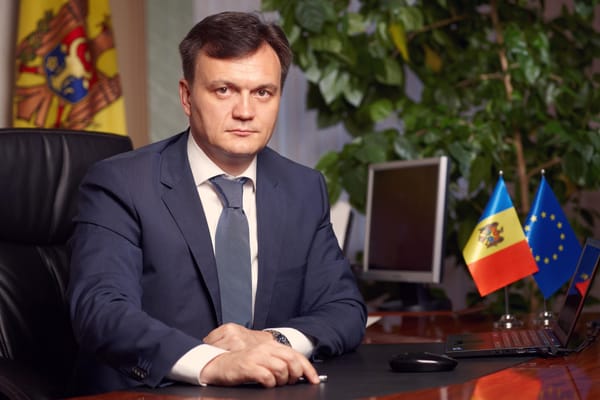
Dorin Recean, a pro-Western defence expert and former interior minister, is expected to become Moldova’s new prime minister after receiving Parliament’s approval this week.
This comes following the unexpected resignation of Natalia Gavrilita on Friday, February 10, after a tough 18-month tenure overshadowed by the war in neighbouring
Leaders from the Baltic nations and Poland have called for the utilization of approximately EUR 300bn worth of assets from the Russian Central Bank currently frozen by EU member states, towards the reconstruction of Ukraine.
In a joint letter to to European Council President Charles Michel, European Commission President Ursula
The European Union expanded its ban on Russian diesel fuel and refined oil products with immediate effect on Sunday 5 February, two months after its initial embargo.
The ban is accompanied by a price cap of USD 100 per barrel for diesel, jet fuel, and gasoline, agreed upon by the
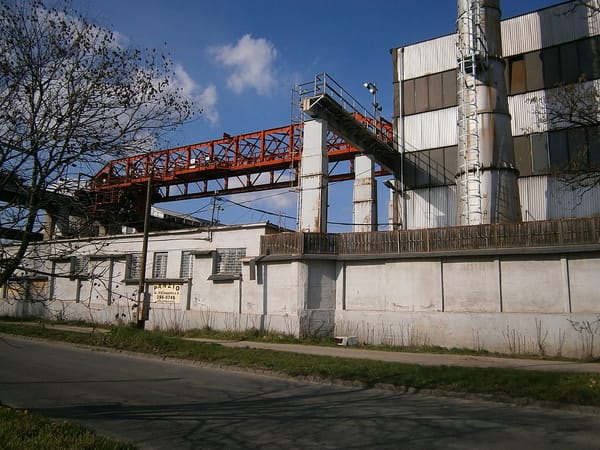
Hungarian Prime Minister Viktor Orban met with a working group aiming to save the indebted steel company Dunaferr on Wednesday, 1 February.
Dunaferr manufactures steel products for the engineering, automotive, and manufacturing sectors in Dunaujvaros, central Hungary, employing around 4,000.
After Wednesday’s meeting with the working group, which
Geopolitics is leaving its mark on the arms race in Central and Eastern Europe (CEE). Countries are drifting further away from the concept of a united European armed force amid shifting geopolitical realities, mistrust and the revival of long-standing historical alliances.
The rearmament of Europe lurched back onto the global
Bulgaria is preparing for a new general election in the spring, following the failure of the country’s Socialist Party to form a working government.
The Socialists, who were given a third and final chance to establish a cabinet after the 2 October election brought no clear winner, announced that