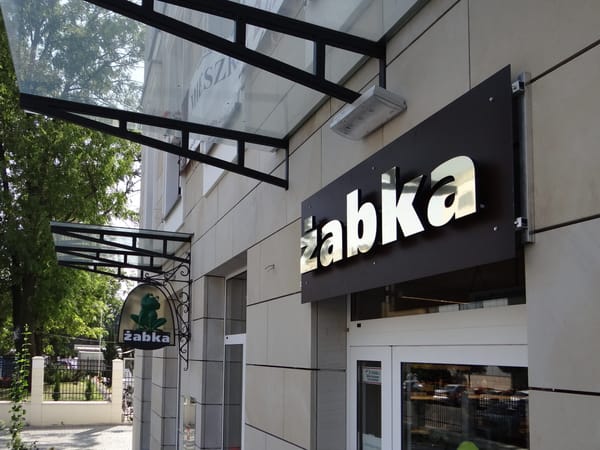
Zabka is planning an initial public offering (IPO) on the Warsaw Stock Exchange on 17 October, as Poland’s leading convenience shop chain expands into Romania and elsewhere in Central and Eastern Europe (CEE).
The IPO could raise as much as PLN 6.45bn. The IPO is set to be
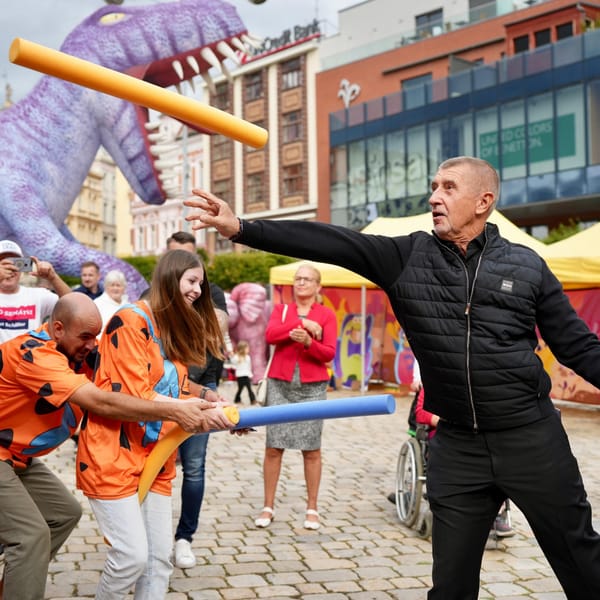
Czech opposition party ANO, led by former prime minister Andrej Babis, scored a significant victory in Saturday’s elections for the country’s upper house the Senate, winning 8 of 27 seats up for grabs.
Despite ANO’s gains, the ruling coalition, led by Czech Prime Minister Petr Fiala, retained
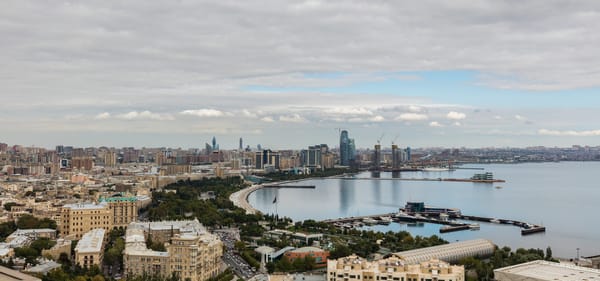
Hungary’s MOL Group, along with its joint venture partners, has signed commercial agreements to advance the development of significant gas reserves in Azerbaijan’s Azeri-Chirag-Deepwater Gunashli (ACG) field.
MOL, the third-largest shareholder in the ACG field after SOCAR and BP, is working within an amended production sharing agreement framework
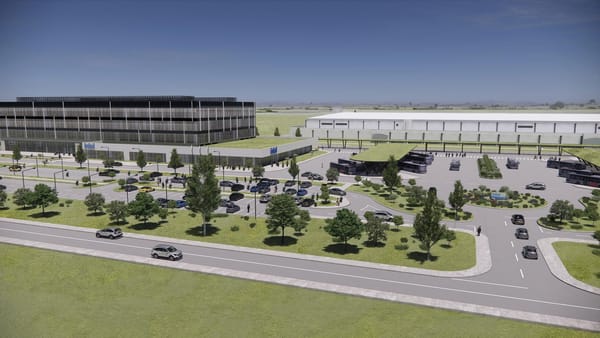
US firm Intel has decided to delay its semiconductor plant project near Wroclaw, west Poland, until 2026 due to the company’s worsening global financial situation, the Polish Digital Affairs Ministry announced on Monday, 17 September. The ministry said Poland remains committed to semiconductor investments and plans to use its
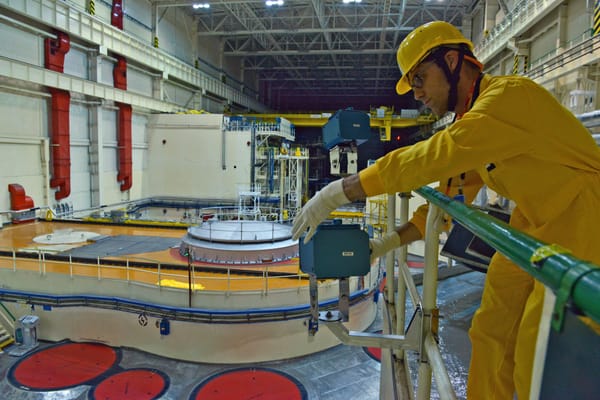
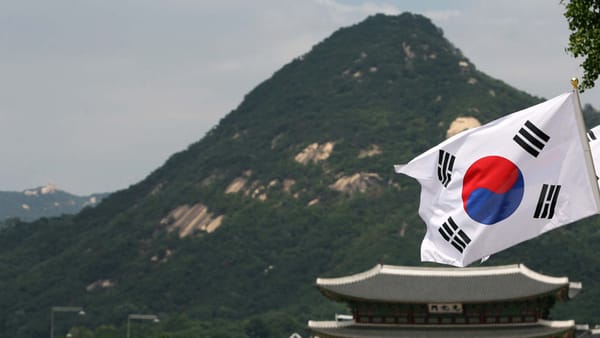
South Korea’s Korea Hydro & Nuclear Power (KHNP) will lead Czechia’s largest-ever investment project when the Central and Eastern Europe (CEE) country expands its nuclear power plant in Dukovany, south Czechia, Czech Prime Minister Petr Fiala said on Friday 20 September.
A central part of Czechia’s long-term
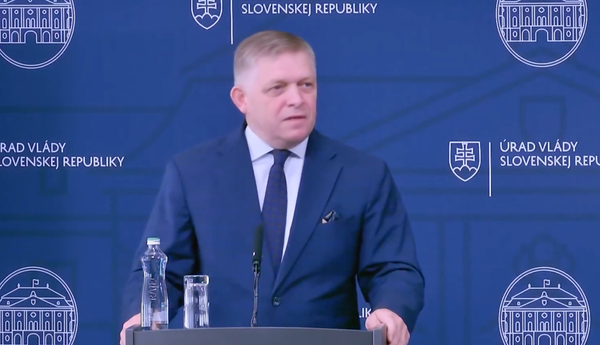
Slovak Prime Minister Robert Fico on Wednesday, September 18, reversed decades of opposition to tax hikes as his government amended VAT laws, effective 1 January, 2025.
As recently as April, the leader of Slovakia’s nominally left-wing Smer-SD party, positioned himself as a champion of low-income earners, saying “I oppose
Polish Prime Minister Donald Tusk declared a state of disaster and confirmed that 1,600 people have been evacuated in Klodzko, south-west Poland, as Central and Eastern Europe (CEE) faced torrential rains brought by Storm Boris, which has led to widespread flooding and causing numerous deaths across countries including Romania,
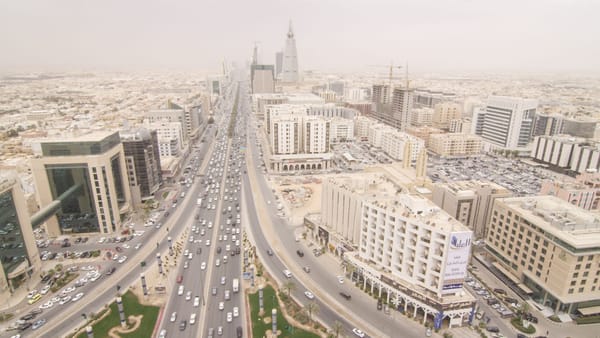
Saudi Arabia has launched a new business council to deepen its economic ties with Central and Eastern Europe (CEE) and tap into emerging investment prospects in the region, the Saudi Press Agency reported.
The Federation of Saudi Chambers has announced the council’s establishment for the 2024-28 term, under its
Polish Prime Minister Donald Tusk vowed to tackle inflation, drive record economic growth, and bolster key investments in energy and infrastructure when he unveiled the country’s 2025 budget on Friday, 30 August.
Tusk said his government has set a high bar for the budget. “We aim to keep inflation
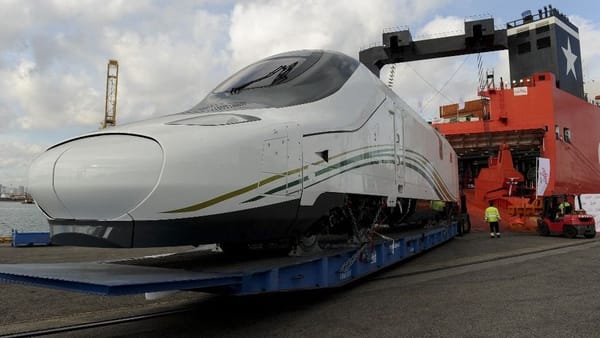
The Spanish government has vetoed Hungarian consortium Ganz-MaVag’s attempt to purchase Spanish train manufacturer Talgo, citing national security concerns, local media reported.
Ganz-Mavag, which includes Hungary’s state fund Corvinus, made a EUR 619mn public tender offer for the maker of the iconic Alta Velocidad Espanola (AVE) high-speed trains
The new Polish deposit container-deposit system will launch in the autumn and be operated by eight enterprises, not six as earlier reported, although only three are currently licenced.
The Polish Ministry of Climate and Environment said it will increase inspections in the lead up to the systems going operational in
As the EU assesses its defence strategies amidst escalating geopolitical tensions, South Korea has emerged as a significant player in the Central and Eastern Europe (CEE) defence market.
Korea makes strategic defence exports to CEE
South Korea’s defence industry has gained notable traction in CEE, where countries are upping
Romanian Prime Minister Marcel Ciolacu has requested that his country’s upcoming European Commissioner focuses on economic policies, following a meeting with European Commission (EC) President Ursula von der Leyen in Brussels on Thursday.
“I want a portfolio that is highly relevant, given that we are the sixth largest country
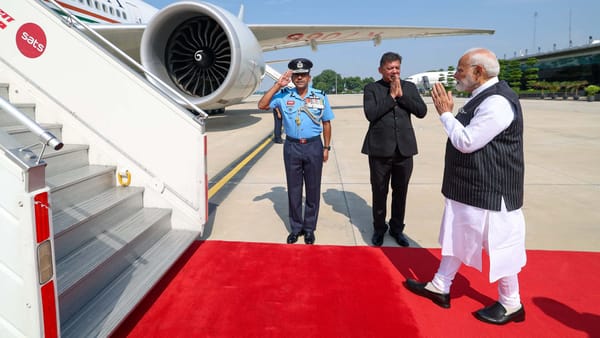
Indian Prime Minister Narendra Modi discussed collaborations on AI and startups with Poland during his recent tour of Central and Eastern Europe (CEE).
Modi’s visits to Poland and Ukraine, occurring just weeks after a contentious meeting with Russian President Vladimir Putin in Moscow, highlight India’s attempt to maintain
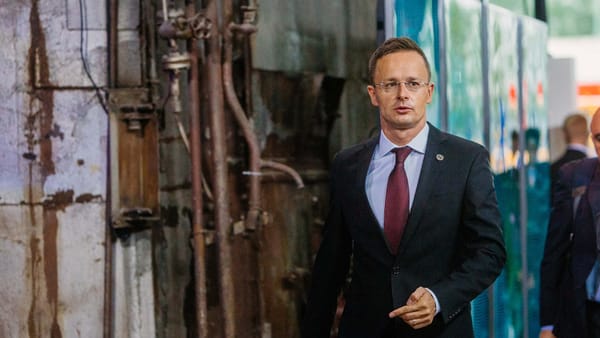
Hungary is rushing to safeguard its energy security following Ukraine’s sanctions on Russian oil company Lukoil, and is in active discussions to guarantee alternative supply routes, according to the country’s top diplomat.
Szijjarto concerned over energy supplies
Despite protests from Budapest and Bratislava, the European Commission (EC) has