New waste incinerator: Warsaw follows the Scandinavian model
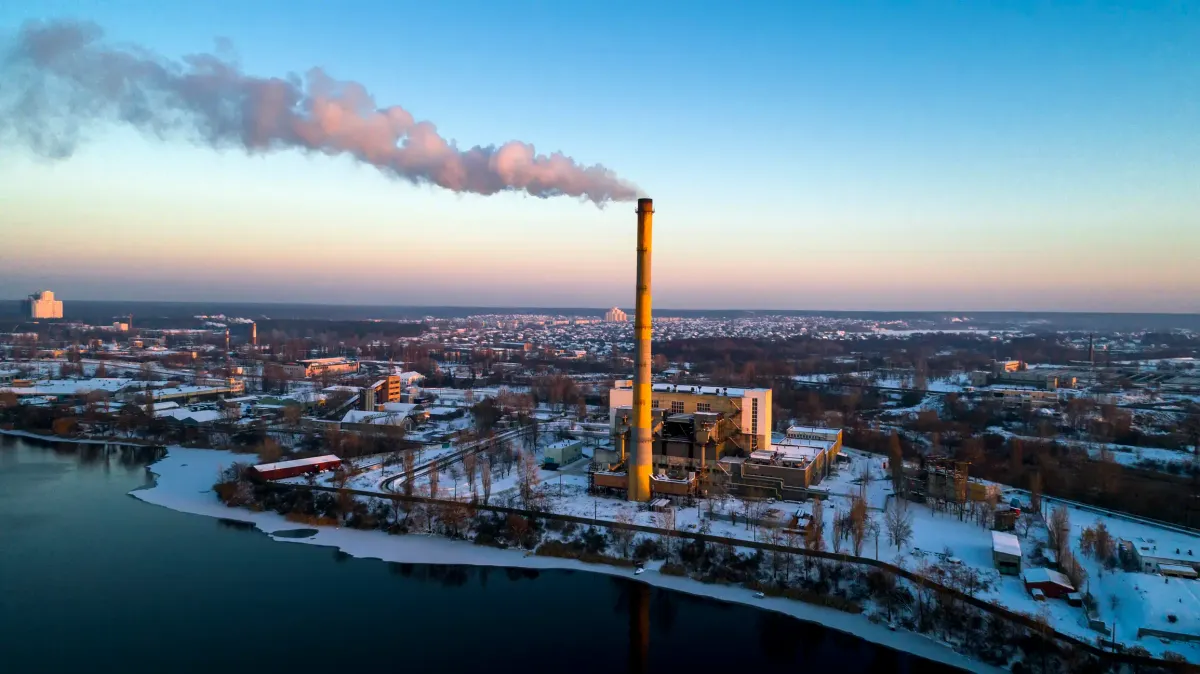
Warsaw has opened the city’s new waste-to-energy plant, the Warszawska Wytwórnia Energii, which can incinerate over 300,000 tons of solid waste annually, accounting for nearly one-third of the city’s total waste production. The Polish capital previously had a municipal incinerator (similar to Budapest), but the former facility’s capacity was only 40,000 tons per year, so the new plant significantly expands the city’s waste management capabilities.
The construction, completed by the South Korean company Posco, was delayed by more than a year from the original end-of-2023 schedule, prompting the city’s waste management company to impose a substantial penalty on the contractor. In November 2025, the facility was still in trial operation, with ongoing system calibrations, but official commissioning is set to begin soon.
Following the opening, many have asked whether the new plant will lead to lower waste collection fees for residents. The real question, however, is the broader direction of waste management. For a long time, incineration was considered a taboo in continental Europe, whereas in Scandinavia it has long been the main approach—a trend that the current energy crisis could further reinforce.