Hungarian Government Change – Regional Reactions
The Hungarian election results generated significant reverberations across the region. The reactions simultaneously reflected a sense of geopolitical realignment and each country's own domestic political considerations. In most Central European countries, the events were interpreted not merely as a change of government, but as the end of an era that extends beyond Hungary's borders.
In the Czech Republic, reactions were fundamentally measured but clearly carried a positive tone. Petr Pavel, for instance, described the high voter turnout as a success for democracy in itself, and expressed hope that the election could lead to improved relations between Hungary and its allies and the region. The Czech political and media discourse frequently returned to the idea that the Hungarian result might represent a kind of "return" to the European mainstream, and even raised the possibility of reviving Visegrad cooperation.
In Slovakia, reactions were considerably more ambivalent. Prime Minister Robert Fico quickly signaled his willingness to cooperate with the new Hungarian leadership, particularly on energy issues, while also speaking approvingly of the previous Orbán government. This duality clearly illustrates the divided nature of Slovak political thinking: while pragmatic cooperation dominates, political and ideological ties to the Orbán era remain present in the background.
In Poland, reactions were particularly strong and pointed to concrete political consequences. Prime Minister Donald Tusk openly expressed hope that the change in Hungary would make it possible to extradite two former Polish government officials who had been granted asylum in Hungary under Orbán. This clearly signals that Warsaw views the election result not only as a political but also as a legal and diplomatic turning point. Polish discourse has also increasingly emphasized the expectation that Hungarian-Polish relations could be placed on new foundations — reinforced by Péter Magyar's promise that his first official foreign trip would be to Poland, which many analysts interpret as a signal of intent to politically "reincarnate" the Visegrád Cooperation (V4).
In Romania, reactions appear primarily in a geopolitical and regional frame. The Romanian head of state's congratulations and references to "shared European values" clearly indicate that Bucharest interprets the change as the beginning of a new era of cooperation. Romanian analyses prominently feature the expectation that Hungary's position within the EU will move closer to the mainstream, which could also have a stabilizing effect on bilateral relations.
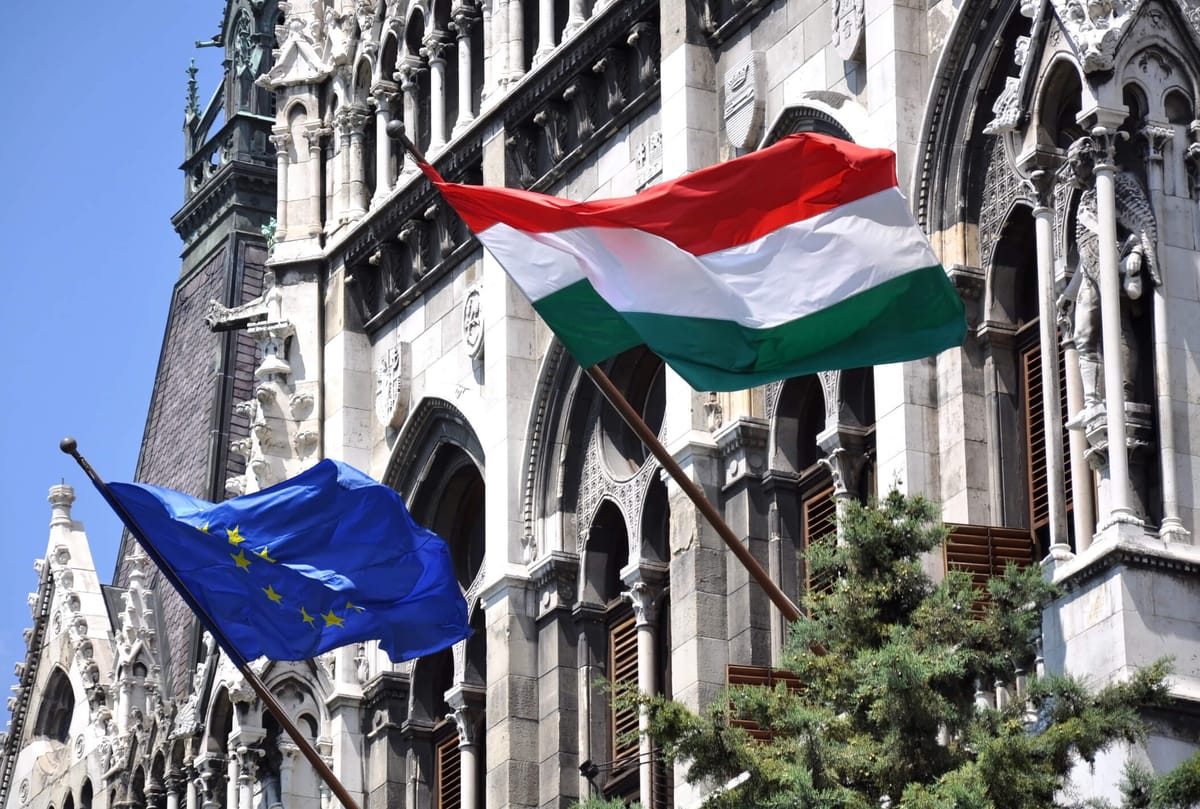
The overall picture painted by the international press reinforces this reading: the election result is widely interpreted as a historically significant turning point that ended a 16-year political era and may open a new direction for Hungary's relationship with the EU and the Western alliance system. The countries of the region respond with different emphases, but share in common the interpretation of this change not as an isolated event, but as part of a broader Central European political realignment.