Central and Eastern Europe (CEE) is one of the fastest growing regions in Europe by enterprise value and has grown by 760% since 2017, according to the latest annual report by Dealroom.co.
The Amsterdam-based startup and tech data company found three main takeaways from its research of regional venture
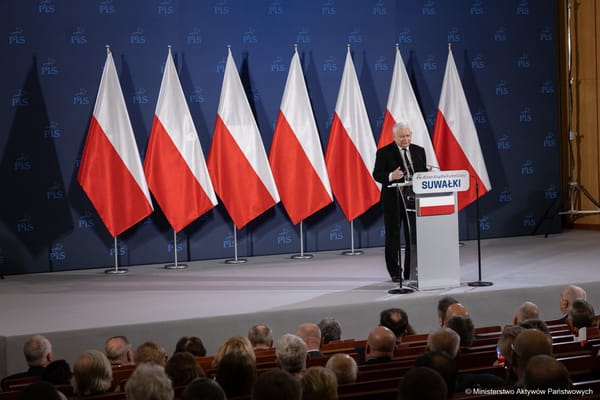
“Now we have decided to atomise Polish energy: two nuclear power plants will be built, one in cooperation with the USA and the other with South Korea,” Poland’s ruling party PiS Chairman Jaroslaw Kaczynski announced in Suwalki, north-eastern Poland on Saturday.
A third reactor is also planned, Kaczynski revealed,
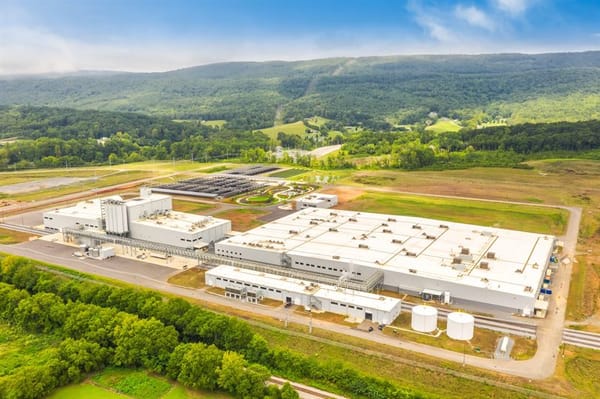
Nokian Tyres will build a EUR 650mn passenger car tyre factory in Oradea, western Romania, creating around 500 jobs, it announced on Tuesday, 1 November.
The tyre plant will have an annual capacity of six million units, with room for expansion, and will also be home to a logistics centre
Household electricity prices rose year-on-year in the first half of 2022, from EUR 22 per to EUR 25.30 per 100 kWh on average, according to the latest report by Eurostat.
Meanwhile households across the bloc saw gas prices climb from EUR 6.40 to EUR 8.60 per 100
Hungarian Prime Minister Viktor Orban and Georgian Prime Minister Irakli Garibashvili signed a strategic partnership agreement and discussed responses to the energy crisis in Budapest on Thursday.
A key point on the agenda was the possibility of transiting electricity from Azerbaijan to Hungary via Georgia and Romania.
Orban said a
The tensions around the burgeoning relations between Taiwan and Central and Eastern Europe (CEE) will be on the agenda when US president Joe Biden meets Chinese leader Xi Jinping in Bali today (Monday 14, November).
Last Monday Lithuania opened its trade office in Taiwan, the same day that the 23-million
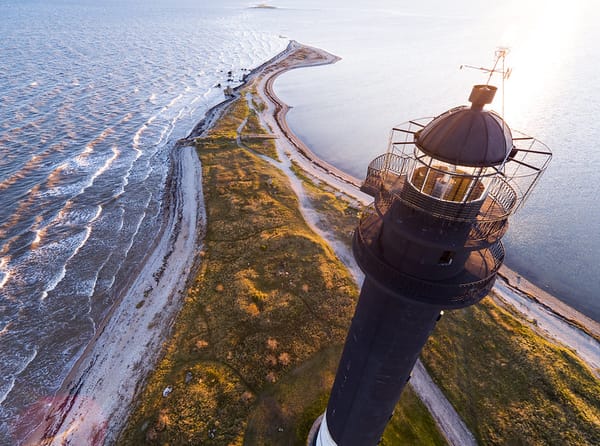
Estonia’s Sõrve peninsula area looks set to be the location for the major Estonian-Latvian hybrid offshore wind farm project ‘Elwind’, according to a feasibility study.
The total capacity of the planned project will be 700MW to 1GW, and annually will provide over 3 TWh of energy, improving energy security
Czech-founded WAG Payment Solutions PLC announced on Tuesday that it has agreed to fully acquire Grupa Inelo SA, a leading fleet and work time manager in Poland and Slovenia, for up to EUR 306mn.
FTSE 250 company WAG, also known as Eurowag, runs a digital platform that processes fuel and
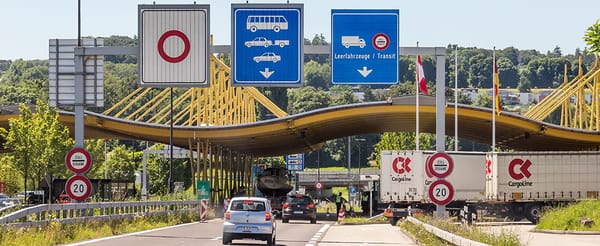
Romanian lorry drivers urged their government to “relentlessly lobby” for the country to join the Schengen zone on Monday, asserting that preventing lengthy delays at its border with Hungary would increase freight volumes by around 20%.
On Monday, Europa 2002 Haulier Employers’ Association chairman Adrian Pop echoed the sentiments of
The loan-book performance of banks in Central and Eastern Europe (CEE) is set to worsen as interest rate hikes take their toll on the loan repayment capacity of borrowers, according to a report released by Moody’s on Thursday.
The credit rating agency notes that although CEE region’s inflation
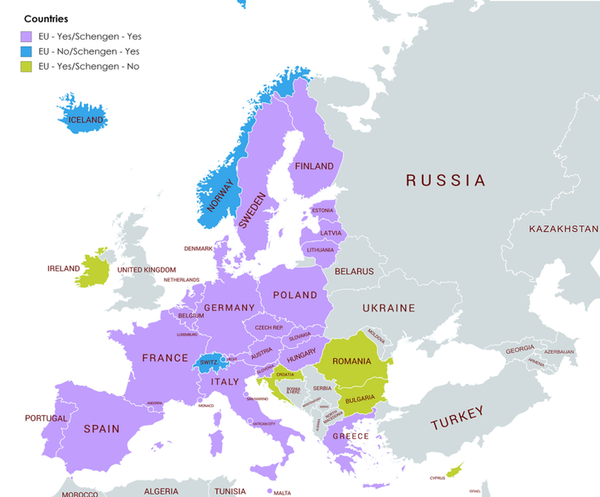
MEPs backed Bulgaria and Romania joining the Schengen zone in the coming months by an overwhelming margin on Tuesday. Of the 639 members of the European Parliament (EP), 547 voted in favour of the proposal to 49 against and 43 abstentions.
After the vote, Romanian Prime Minister Nicolae Ciuca tweeted
Passenger car production was up 21.2% year-on-year, to 381,971 units, in Romania in the first three quarters of 2022, according to figures released Monday. Of these 230,078 unites were Dacia and 151,893 Ford models, the Romanian Automobile Manufacturers Association (ACAROM) reported.
The figures represented a rise
Organized by Mastercard for the second year in a row, the Central Europe (CE) Digital Payments Summit 2022 on 20 October will provide an industry forum for discussion and an exchange of ideas on the region’s pressing financial market issues, such as ongoing disruptions and innovation in the financial
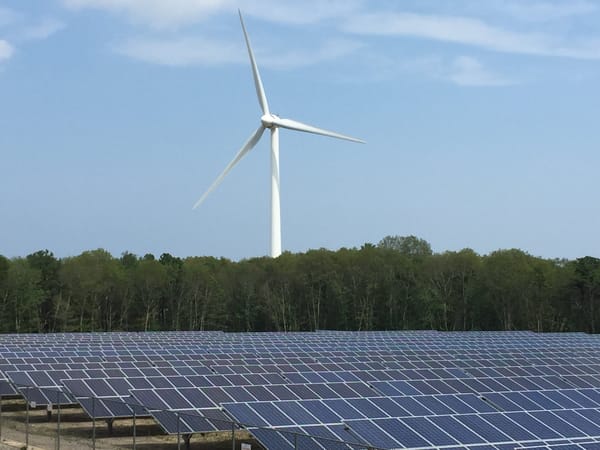
The Romanian Energy Ministry has launched a renewable energy tender call worth EUR 457.7mn for projects totalling 950MW capacity, which will be open to wind and solar with the added possibility of links to storage.
Some EUR 372.7mn will go to projects over 1MW, and EUR 75mn to
The forint rebounded against both the US dollar and euro late Monday, on news that Russian-state-run energy company Gazprom has agreed not to collect payment on Hungary’s gas usage this winter.
As per the deal, announced by the Hungarian Energy Board MVM earlier Monday, Hungary can delay payment for