How Europe's Defence Shield Became Romania's Political Battlefield
The EU's €150 billion Security Action for Europe programme was designed to protect the continent's eastern flank. In Romania — its single largest beneficiary — it has instead ignited coalition warfare, supplier price gouging, and a deepening rift between guns and butter.
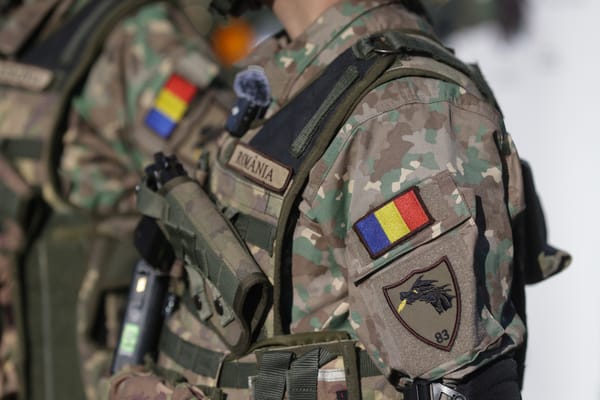
When the European Commission approved the first wave of SAFE loans in January 2026, the message was clear: Europe was getting serious about defence. Eight member states received endorsement for a combined €38 billion in low-cost, long-term financing to accelerate military procurement — a centrepiece of the EU's Readiness 2030 strategy. Romania, sitting on NATO's exposed eastern flank with the Black Sea at its back, was the standout beneficiary: €16.68 billion, nearly 44 per cent of the entire first tranche, earmarked for everything from infantry fighting vehicles and air defence systems to strategic motorway corridors leading toward Ukraine and Moldova. It was, by any measure, a historic windfall for a country whose defence industry had long been described as largely defunct.
But barely three months later, the programme that was supposed to shield Romania from external threats has itself become the source of an entirely different kind of conflict — one fought not on the battlefield, but in parliamentary chambers, procurement offices, and behind closed doors with international arms manufacturers who appear to have spotted an opportunity in Bucharest's urgency.
The 30 Per Cent Problem
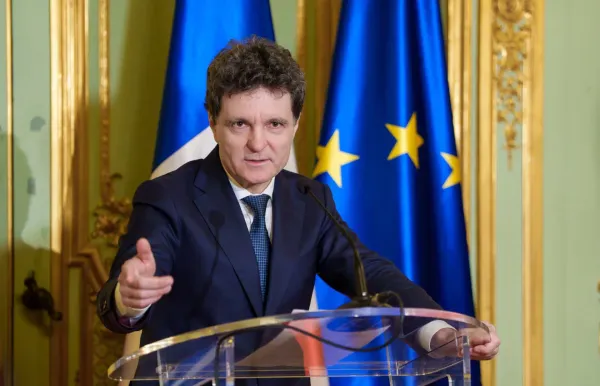
On April 2, speaking at the Economist Romania Government Roundtable, Defence Minister Radu Miruță dropped a bombshell that has been building for weeks. Certain suppliers, he revealed, had raised their previously quoted prices by as much as 30 per cent at the very point of contract signature — effectively leveraging the programme's own deadline pressure against the Romanian government. The SAFE mechanism requires that single procurement contracts be signed by 30 May 2026 for countries to remain eligible for funding. Suppliers, it seems, have learned to use that ticking clock as a negotiating weapon. While Miruță did not publicly name the companies involved, multiple political and military sources point to Germany's Rheinmetall as a central figure in the pricing controversy.
Guns, Butter, and the Debate Nobody Wants to Have
Beneath the procurement disputes and coalition squabbles lies a more fundamental political question that Romania's mainstream parties have, by and large, refused to confront openly: in a country with the highest deficit in NATO and an economy teetering on the edge of a credit downgrade, who pays for rearmament?
The classic "guns versus butter" trade-off is, in Romania's case, not a textbook abstraction. It is a lived reality for millions of citizens facing frozen wages, rising prices, and austerity measures that over 60 per cent of the population considers unjust. At the same time, approximately 73 per cent of Romanians support increasing defence expenditure — a seemingly contradictory position that reflects a public willing to invest in security but unwilling to accept that the money must come from somewhere. Defence Minister Miruță has argued that SAFE borrowing is two to two-and-a-half times cheaper for Romania than accessing the same money on private markets — a real and significant advantage for a country whose sovereign borrowing costs hover around 7 per cent compared to SAFE's approximately 3 per cent rate.
The Absorption Gamble
Even setting aside the politics, there are hard practical questions about whether Romania can spend this money effectively within the programme's constraints. Analysts have flagged the ambition-absorption gap as a serious risk. Romania's track record on EU fund absorption is not encouraging: the country has consistently struggled to utilise its cohesion funds and faces material risks of losing access to a significant portion of its Recovery and Resilience Plan allocation before that programme concludes in August 2026. Plans to revive the Mangalia shipyard for naval construction, for instance, require workforce development, tooling, and quality systems that simply do not yet exist at scale.
With the May 31 deadline approaching, Romanian officials are in a race not only against time but against the structural contradictions of a programme that promised security and delivered, in equal measure, opportunity and chaos. What happens in the coming weeks will determine whether SAFE becomes the foundation of Romania's defence for a generation — or a cautionary tale about what happens when Europe's best intentions collide with the hard realities of money, politics, and power.