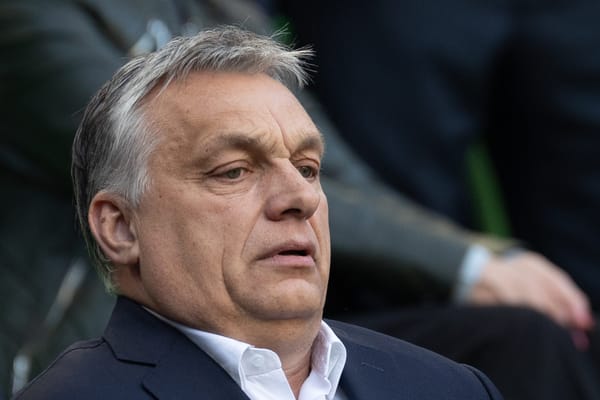
Based on the developments in Hungary over the past few days, it would be difficult to argue that relations between Hungary and the European Union are simply returning to where they were before Viktor Orbán came to power.
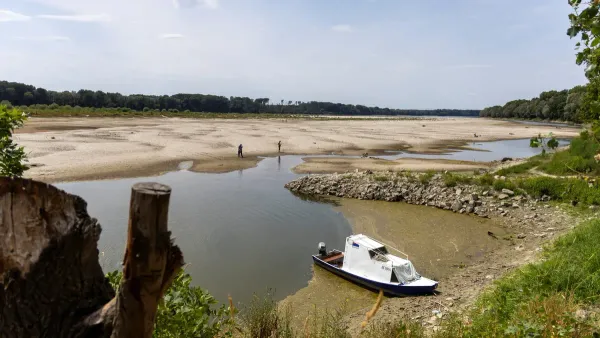
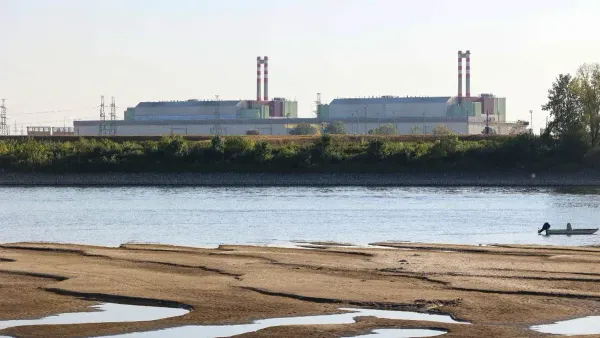
Hungary and Romania are living through their most serious energy crisis in decades, as record-low Danube levels have all but shut down two of the region's nuclear plants.
In Hungary, low Danube water levels and a prolonged heatwave have created an acute energy crisis, while other countries in the region appear to have weathered the situation more easily. Part of the explanation lies in the differences between the cooling systems used by their nuclear power plants.
Hungary is joining the Poland-led AI Gigafactory consortium that already includes Czechia and Lithuania, marking a significant upgrade from the country's previous position as one of the EU's lighter-touch "AI Factory Antenna" participants.
Czech President Petr Pavel was nearly excluded from the NATO summit in Ankara. His government tried to keep him off the official delegation list, a sign of an unabated tension between castle and government.
The next big debate on the future of the European Union has already begun—not over enlargement, migration or defence, but over the EU's next long-term budget.
Two Central and Eastern European countries with different growth structures and economic performances are both looking to artificial intelligence as a driver of faster development.
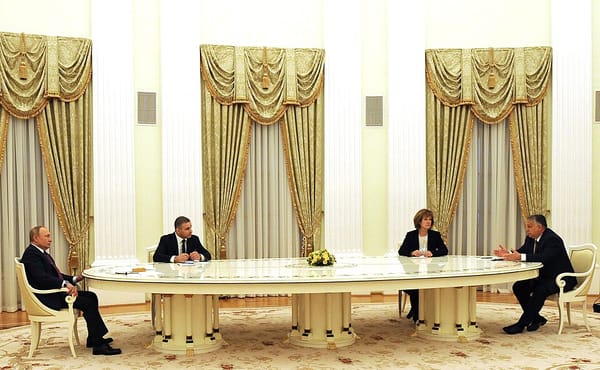
Moscow must also rethink its regional position after Fidesz’s defeat. Russia has lost its most stable ally in the region, while still needing partner(s) within the EU.
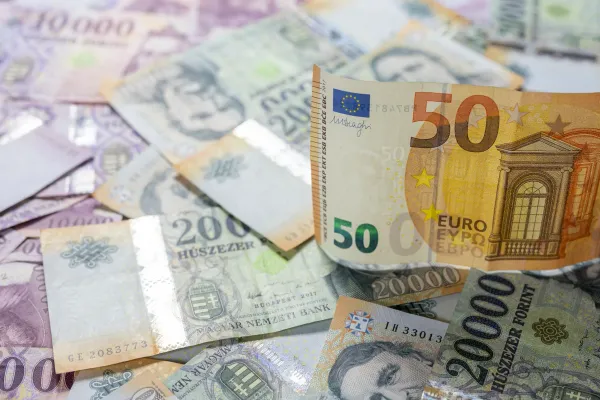
Tisza’s landslide victory on April 12 sent the forint to a four-year high and Budapest stocks to a record, as investors priced in the end of the Orbán-era risk premium and the prospect of unlocking frozen EU funds.
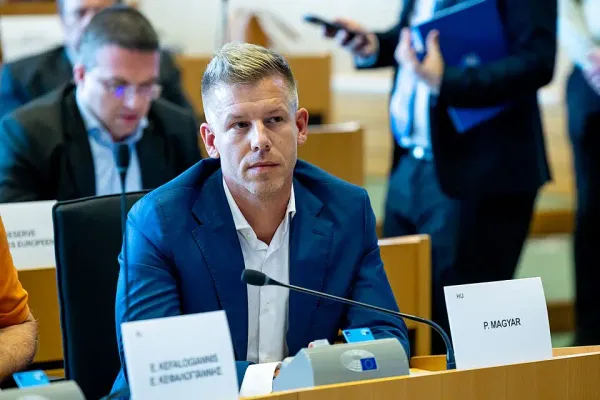
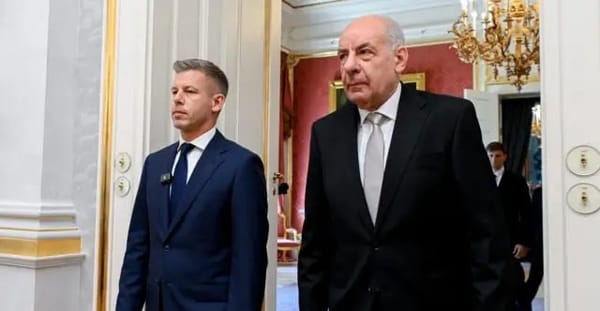
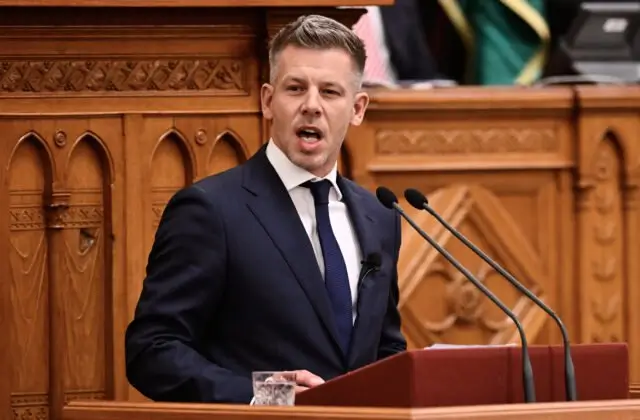
On 12 April 2026, Hungarian voters ended sixteen years of Viktor Orbán's rule in a landslide, handing Péter Magyar's Tisza party a two-thirds supermajority on the highest turnout since the fall of communism.
Opinion polls are divergent, but results from government-independent research institutes suggest the possible defeat of the Orbán government in Hungary.
Poland has also been hit by the fuel price shock, to which the government has responded with a price cap. Most countries in the region are attempting to ease the burden on consumers through direct state intervention in pricing.
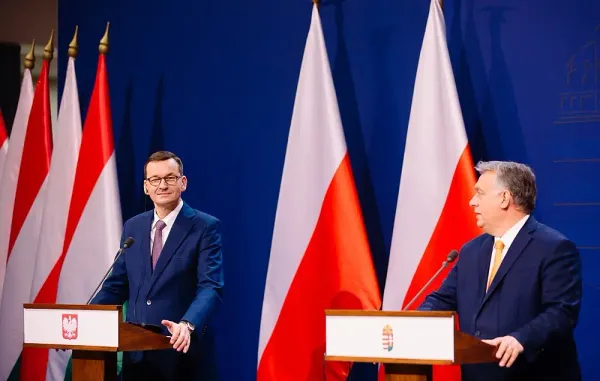
In recent weeks, significant domestic political debate has emerged in Poland over efforts by politicians from the Law and Justice party (PiS) – including Mateusz Morawiecki and Karol Nawrocki – to strengthen ties with Hungarian Prime Minister Viktor Orbán.